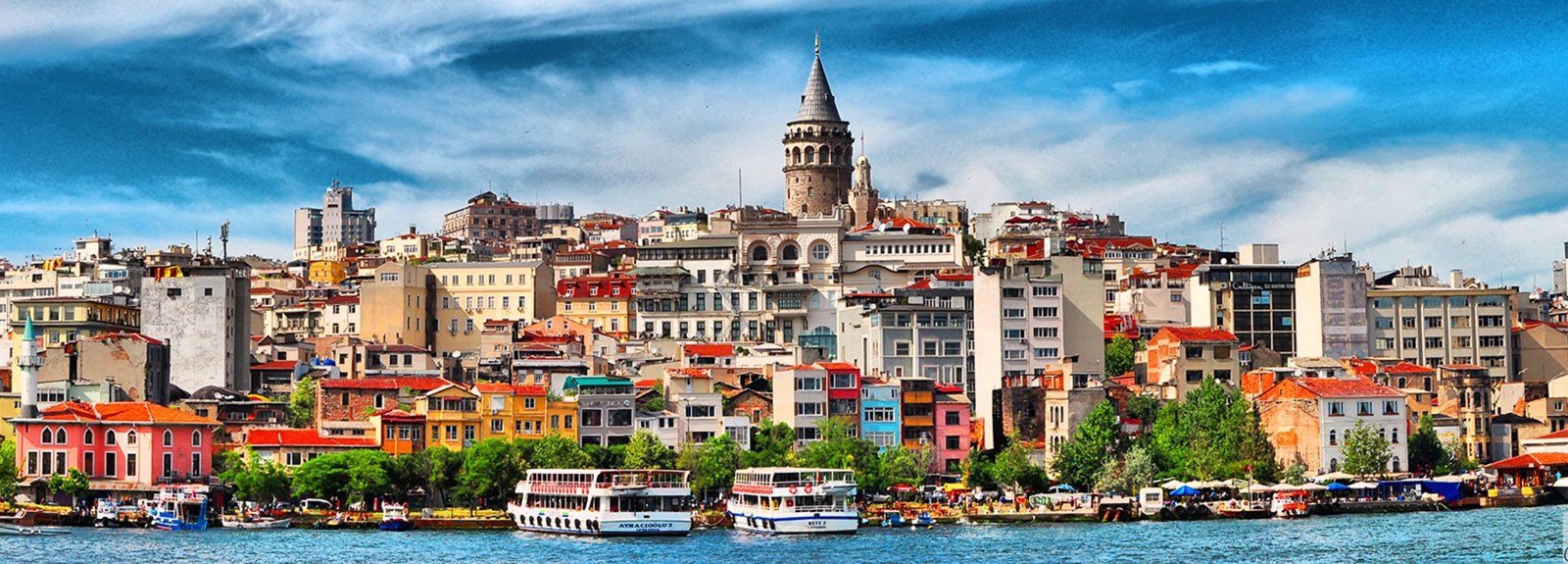
Istanbul
0 results found in Istanbul.
No upcoming events in this city.
View all eventsAbout Istanbul
Istanbul is the only city in the world built on two continents (Europe and Asia),With its 8,500-year-old history, it is a unique cultural mosaic that has served as the capital of the Roman, Byzantine, and Ottoman Empires.
Historical and Cultural Structure
Istanbul's historical structure is built upon a layered heritage. The "Historic Peninsula," the city's core, has been on the UNESCO World Heritage List since 1985 .
- Imperial Legacy: Founded as Byzantion in 667 BC, the city became the capital of Rome in 330 AD, and was conquered by Sultan Mehmed II in 1453, becoming the center of the Ottoman Empire.
- Cultural Diversity: The city has a dynamic social fabric where mosques, churches, and synagogues coexist, blending Eastern and Western cultures.
Featured Tourist Attractions
Istanbul's iconic buildings reflect its architectural evolution and cultural richness:
- Hagia Sophia: Built as a church in the 6th century, later converted into a mosque, and considered one of the most important structures in the history of world architecture.
- Topkapi Palace: For approximately 400 years, it served as the residence of the Ottoman Sultans and the administrative center of the state.
- Sultanahmet Mosque: Also known as the "Blue Mosque," it is a magnificent example of 17th-century Ottoman architecture.
- Basilica Cistern: A fascinating underground structure built during the Byzantine era to meet the city's water needs.
- Galata Tower: An iconic tower built by the Genoese, offering panoramic views of the city.
- Grand Bazaar and Spice Bazaar: These historical sites, among the oldest and largest shopping centers in the world, are the heart of commerce.
Modern and Social Life
Istanbul is one of the world's most important tourist destinations, not only for its history but also for its modern art galleries, festivals, Bosphorus cruise experience, and rich culinary culture